

Vending Machine for Residential Societies & Apartments India: 2026 Guide

Modern residential communities are changing. Apartment societies are no longer just about providing basic amenities. Residents today expect convenience, faster access to daily essentials, and technology-driven services within their own premises.
From groceries and beverages to snacks and emergency essentials, housing societies are exploring new ways to improve resident experience without adding operational complexity.
This is where a vending machine residential society solution becomes valuable. Smart vending machines allow residents to access essential products conveniently within their apartment complex while helping society managers create better-managed community facilities.
With features like cashless payments, remote monitoring, and automated inventory management, vending machines are becoming an important addition to modern residential complexes in India.
Why Residential Societies Are Adopting Vending Machines
In large apartment communities, residents often need quick access to everyday products. However, traditional options such as nearby stores or society shops may not always be available, especially during late hours.
Common challenges include:
limited availability of nearby stores
dependency on fixed shop timings
inconvenience during emergencies
lack of quick access to daily essentials
A vending machine for apartments provides a compact self-service solution that allows residents to purchase products whenever required.
It helps societies offer additional convenience without requiring a full retail setup.
What Is a Residential Society Vending Machine?
A residential society vending machine is an automated retail unit installed within a housing community to provide easy access to products for residents.
Depending on the requirement, societies can offer:
snacks
beverages
packaged food
personal care products
daily essentials
emergency items
Residents can simply select products, make payments digitally, and collect their items without waiting for assistance.
A smart vending machine transforms unused corners or common areas into convenient retail points.
Best Locations to Install Vending Machines in Housing Societies
Location selection plays an important role in ensuring regular usage.
Suitable areas include:
1. Clubhouse Areas
Clubhouses are among the most effective locations because residents already spend time there.
Products such as:
beverages
snacks
refreshments
can improve the overall clubhouse experience.
2. Near Society Entrances
Entrance areas have regular movement throughout the day.
A vending machine placed near the entrance provides convenient access for:
residents
visitors
security staff
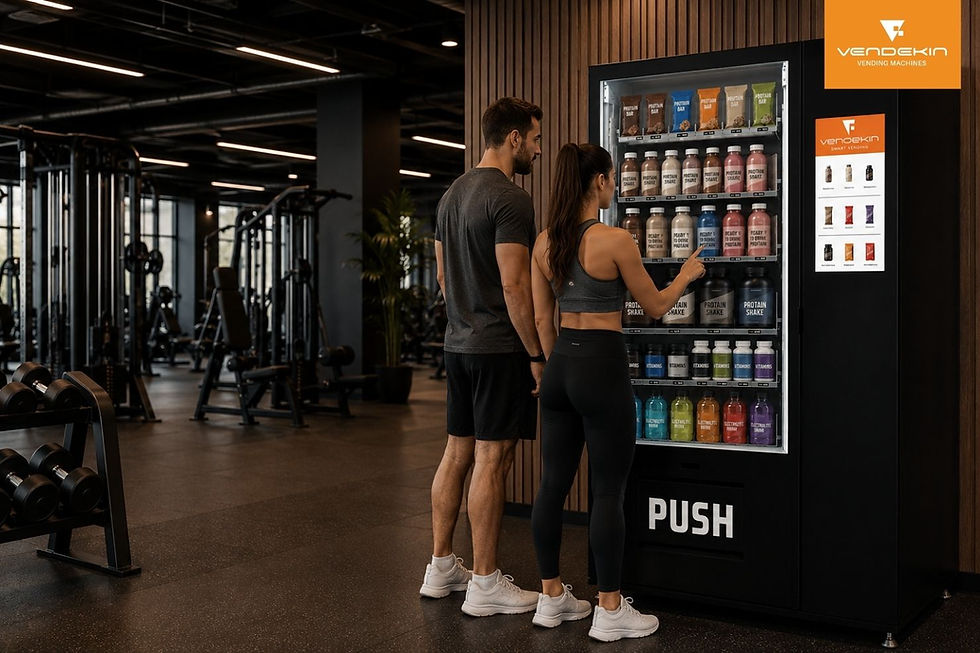
3. Gym and Fitness Areas
Many residential societies now have fitness facilities.
A vending machine can provide:
water bottles
energy drinks
healthy snacks
protein products
This adds value to the fitness experience.
4. Common Recreation Zones
Children's play areas, community halls, and recreational spaces often have regular activity.
Vending machines can provide convenient snack and beverage access during community events and gatherings.
Products Suitable for Residential Society Vending Machines
Product selection should match resident needs.
Popular categories include:
Snacks
Examples:
chips
biscuits
chocolates
healthy snack options
Beverages
Common products include:
water bottles
juices
energy drinks
Daily Essentials
Depending on society requirements, machines can also provide:
hygiene products
personal care items
emergency supplies
Health-Focused Products
Premium societies and fitness-focused communities may prefer:
protein bars
nutrition products
A well-planned product mix increases adoption among residents.
Benefits of Installing a Vending Machine in Residential Complexes
1. 24/7 Access to Essentials
One of the biggest advantages of vending machines is availability beyond traditional store timings.
Residents can purchase products during:
early mornings
late evenings
weekends
emergencies
This improves convenience for the entire community.
2. Better Resident Experience
Modern societies compete based on amenities and lifestyle offerings.
A vending machine for residential complexes adds another convenience feature that improves the overall living experience.
Residents get quick access without leaving the premises.
3. No Need for Additional Staff
Managing a society store requires:
manpower
billing management
inventory handling
A vending machine reduces these operational requirements by automating sales and dispensing.
4. Cashless and Convenient Payments
Modern residents are comfortable with digital payments.
Smart vending machines support:
UPI
QR payments
cards
digital wallets
This makes transactions faster and eliminates the need for cash handling.
5. Better Inventory Control
Managing stock manually can become difficult.
Smart vending solutions help operators monitor:
product availability
sales performance
refill requirements
This allows better planning and reduces product shortages.
How Smart Technology Improves Society Vending Operations

Traditional vending machines provide basic dispensing, but smart vending solutions offer better operational control.
Features include:
remote monitoring
digital payment tracking
inventory visibility
sales reports
machine performance insights
vNetra help operators and facility managers monitor vending operations efficiently.
For residential communities managing multiple amenities, smart technology makes maintenance and monitoring easier.
Vending Machine Cost in India for Residential Societies
The vending machine cost in India depends on several factors.
Important pricing factors include:
machine type
product capacity
payment features
touchscreen capability
customization
software integration
A basic machine may have fewer features, while a smart vending machine with digital payments and remote monitoring requires higher investment.
Before selecting a vending machine, societies should evaluate:
expected resident usage
product categories
maintenance requirements
long-term benefits
The lowest-cost option is not always the best choice. A reliable machine with better technology can provide stronger value over time.
How Housing Societies Can Implement a Vending Machine
A successful setup requires proper planning.
Step 1: Understand Resident Requirements
Society committees should identify:
commonly requested products
resident preferences
usage patterns
Step 2: Select the Right Machine
Choose based on:
available space
product category
expected demand
Step 3: Select the Installation Location
The machine should be:
visible
easily accessible
safe
Step 4: Monitor Performance
Regularly review:
sales
product demand
refill frequency
This helps improve the vending experience.
Conclusion
A vending machine residential society solution helps modern apartment communities provide convenient access to snacks, beverages, and essential products without the complexity of running a traditional store. With cashless payments, smart monitoring, and automated operations, vending machines improve resident convenience while helping society managers create better-managed amenities. As Indian residential communities continue adopting smart solutions, vending machines can become a valuable addition to future-ready housing societies.
FAQs
What products can be sold in a residential society vending machine?
Societies can offer snacks, beverages, daily essentials, hygiene products, and health-focused products based on resident demand.
Are vending machines suitable for apartments in India?
Yes, vending machines are suitable for apartments, especially communities with high resident density and shared amenities.
What is the cost of a vending machine for housing societies?
The cost depends on machine type, features, payment systems, and customization requirements.
Can residents pay using UPI?
Yes, modern vending machines support UPI, QR payments, cards, and other digital payment methods.
Can society managers monitor vending operations?
Yes, smart vending platforms provide visibility into inventory, sales, and machine performance.


Comments